


Japan's 7-11 will set up a large plant factory to provide vegetables for salads and sandwiches sold in stores in Tokyo and Kanagawa Prefecture. Using light-emitting diodes (LEDs), the plant factory can produce the equivalent of 70,000 salads of lettuce a day, reducing the risk of fluctuations in purchase prices and quality due to climate. It is expected that large-scale procurement through large-scale distribution companies will help stabilize the operation of plant factories and promote further expansion of scale.
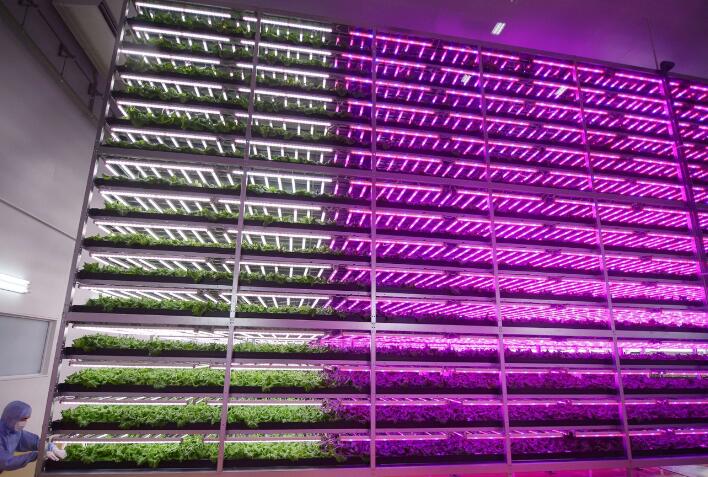
The 7-11 special plant factory invested about 6 billion yen (equivalent to about 367 million yuan), and was built in the factory area by Prime Delica, a subsidiary of Primaham, which produces bento and other products for 7-11. It is expected to start production in January 2019. 7-11 will also explore the production of spinach in the future, and consider setting up plant factories in partner factories across Japan.
Food factories that supply 7-11 currently purchase vegetables from contracted farmers, etc., but sometimes the price of vegetables doubles due to bad weather. The production cost of the plant factory is higher than the normal purchase price, but it is not affected by the climate, and the price and quality are stable. There will also be fewer discarded vegetables and, on average, the production cost of the product is estimated to decrease.
In Japan, starting in November, if you build a plant factory on agricultural land, you can enjoy preferential taxation. However, when converting factories, etc. to other uses, the fixed asset tax levied on land will still be high. 7-Eleven will realize the "one-stop" service from vegetable production to commodity sales, ensuring the advantages of scale effect and price stability.